
Q1 Impact Report
3
grants given
226
k
USD disbursed
27
%
fund activation

Q1 and Q2 2024 grants combined, calibrated to fund size at launch

Advancing wellbeing public policy

Supporting effective therapies for PTSD

Improving accuracy of wellbeing surveys
9580
est. WELLBYs*
*Bloom takes a unique approach to philanthropic impact. For our impact measurements we use a measure of self-reported wellbeing, a wellbeing life year, or WELLBY, which is a 1-point increase in life satisfaction on a 0-10 scale for one year. This metric allows us to provide you with cost-effectiveness calculations for what we think ultimately matters: wellbeing.
From the team
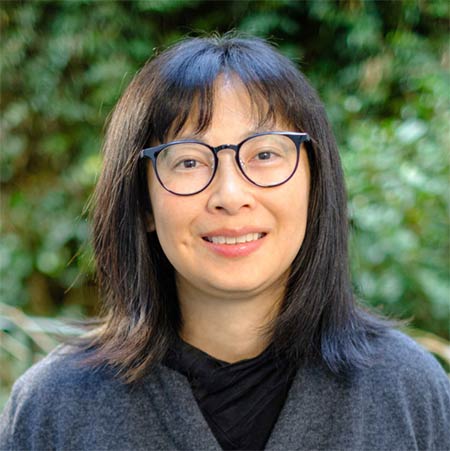
Lily Yu
Fund Manager
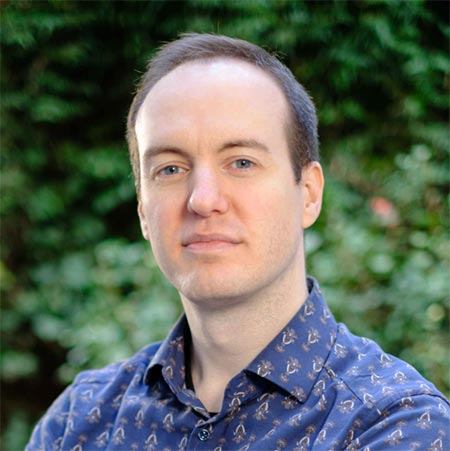
Peter Brietbart
Fund Manager
It was a busy and productive first quarter for Bloom. With >950 hours spent on fund management and analyses, and >80 interactions with charities, non-profit organisations, think tanks, research institutes and universities, this report outlines the first three grants of Bloom’s portfolio.
950
hours of fund management & analyses
80
interactions with organisations
Full managers’ insights
Our Mission
At Bloom, our core mission is to maximise philanthropic impact, delivering the highest value to our donors. We want to ensure that every dollar you give goes a long way in making a real difference in people’s lives – enhancing human wellbeing and fostering flourishing communities.
The overall theme of the disbursements this quarter is a focus on broad-scale theories of change. These are high-risk, high-reward opportunities where we’re excited by the people, the plan, and the timing.
Just like an investment fund aims for high financial returns, we’re dedicated to getting the most out of your philanthropic contributions through strategic allocation and careful stewardship of resources – generating positive and enduring impact.
Our approach combines the deep insights of a research think-tank and the speed and efficiency of a start-up mentality, plus decades of combined experience in the philanthropy world.
Fund financials
The fund grew 10.5% during the quarter from an initial principal of $770,000 to a closing balance of $851,666.39 prior to disbursements. Following three grant disbursements, a total of $625,166.39 remains in the fund at the end of Q1, and we remain on track to meet our strategic goal of “spending down” each quarter to maximise philanthropic returns and subsequently re-raising a principal for 2025.
Our grantees
When deciding where to invest, we looked for places where Bloom could add the most value. We chose projects where our funding could contribute towards a significant portion of the grantee’s funding needs and where it could inspire others to give, too.
We are excited to support the World Wellbeing Movement to amplify their wellbeing public policy programme in the UK and abroad, Healing Breakthrough to accelerate the scalable treatment of new MDMA-assisted therapy for PTSD, and Dr Alberto Prati at the University of Oxford to develop a new methodology to improve the accuracy of wellbeing measurement surveys.
Agile grantmaking
At Bloom, we respond quickly to the needs of charities and researchers, with a minimum turnaround time of ~2.5 weeks, including in-house cost-effectiveness analyses.
We’ve learned that fast decision-making is highly appreciated and much-needed in the philanthropic ecosystem.
Unlike most funding organisations, we aim to maximise our impact by reducing the burden on charities and getting funds out the door as efficiently as possible.
Future initiatives
We believe there is a vibrant opportunity-set to make a difference in promoting and facilitating the creation of wellbeing, and Bloom is ready to act fast.
In the next quarter, we will keep working to maximise the impact of your donations by supporting evidence-informed projects that can improve lives and advance global wellbeing.
Grants
World Wellbeing Movement
Grant Size
$140,000
Activity
We fund four categories of projects:
A. Charities
Identify & fund charities delivering evidence-informed / high expected value programmes to improve wellbeing
B. Research
Support research that can provide insights into more effective ways of improving global wellbeing
C. Partnerships
Develop strategic partnerships to share insights on best practices and co-fund wellbeing & mental health initiatives
D. Ecosystem
Support leading ecosystem players raise awareness of evidence-informed, cost-effective wellbeing initiatives
Ecosystem
Stage
Our internal working description of a project’s stage is when one or more of the following conditions are met:
Early stage
5 or fewer employees, 3 years or younger, grant sizes of ~$5k-150k awarded
Growth stage
5 – 250 employees, 3 – 10 years in operation, grant sizes of ~$150k-990k awarded
Mature stage
251+ employees, 10+ years in operation, grant sizes of $1m+ awarded
These groupings are only illustrative, and we recognise that from time to time an organisation won’t fit neatly into one of these groupings.
We aim to primarily fund Early and Growth stage organisations.
Early
Location
Oxford
United Kingdom
More Info

Grantee
The World Wellbeing Movement (WWM) is a UK-based non-profit with a mission to put wellbeing at the forefront of decision-making in both business and public policy.
Grant
The grant will enable WWM to expand its public policy plans, initially focusing on advocating for the UK government to prioritise population wellbeing. This is particularly timely given the forthcoming UK election. This project could stimulate the broader adoption of WELLBY measures, encouraging all government policies to be viewed through a wellbeing lens. In subsequent years, WWM plans to extend this advocacy to other countries.


Sarah Cunningham
Managing Director
53
WELLBYs / $1k*
Eqv. to 6.5x GiveDirectly Cash Transfers
*HLI estimation
Grant Rationale
Advancing evidence-based, wellbeing-focused public policy
WWM bridges the gap between academic research and government policy, a crucial step in advancing evidence-based public policy focused on wellbeing. With direct links to the University of Oxford, Wellbeing Research Centre, and board members connected to the UK government, WWM is uniquely positioned to act as an effective intermediary, connecting public policy stakeholders with cutting-edge research. This enables a more streamlined uptake of wellbeing data into new policies.
While the concept of prioritising wellbeing in government policies is not new, progress has been disappointingly slow. The field of wellbeing research has expanded rapidly over the last three decades, yet its application to public policy remains in its infancy. One reason for this stagnation is the siloed nature of academia and policymaking.
However, with its established network and track record, WWM is better positioned than any other UK organisation to drive progress in this area. The grant will enable WWM to expand its public policy plans, initially focusing on advocating for the UK government to prioritise population wellbeing. In subsequent years, WWM plans to extend this advocacy to other countries.
This project could stimulate the broader adoption of WELLBY measures, encouraging all government policies to be viewed through a wellbeing lens. Recent pilots such as the UK’s Improving Access to Psychological Therapies (IAPT) Mental Health Programme is an example of a government-funded initiative that created positive economic return on investment to the extent that estimates had a negative cost per WELLBY (i.e. the net economic benefit of the programme surpassed the public investment of delivering the programme). WWM aims to leverages research insights to identify and advocate for additional policies that could yield positive ROI and cost-effective WELLBY creation.
Evaluation
We evaluate the grant to WWM as promising and is primarily based on the strength of the theory of change, the strength of the team (including Board members), market positioning, track record, and some quantitative modelling conducted by the HLI.
The initial cost-effectiveness calculations conducted by HLI were based on the likelihood of passing a policy comparable to the impact of the Improving Access to Psychological Therapies (IAPT) if the WWM was fully funded for the next 10 years. For systemic change interventions like these, it’s not possible to rely on evidence like randomised controlled trials (RCTs) or monitoring and evaluation (M&E), so our cost-effectiveness analysis is necessarily less certain.
Why now?
- WWM is at a critical stage in its growth and requires additional funding to expand its team to support its public policy plans.
- There are limited funding sources for cross-sector policy projects.
- It is an election year in the UK and the greatest value of funding can be realised through rapid deployment in Q1 2024.
Words from our partner
“Partnership with Bloom is crucial for advancing the Wellbeing Public Policy aspect of our mission. Both the financial support from Bloom and the academic insight from HLI are pivotal for advancing our mission of putting wellbeing at the heart of decision-making.”
Sarah Cunningham, Managing Director
Healing Breakthrough
Grant Size
$80,000
Activity

We fund four categories of projects:
A. Charities
Identify & fund charities delivering evidence-informed / high expected value programmes to improve wellbeing
B. Research
Support research that can provide insights into more effective ways of improving global wellbeing
C. Partnerships
Develop strategic partnerships to share insights on best practices and co-fund wellbeing & mental health initiatives
D. Ecosystem
Support leading ecosystem players raise awareness of evidence-informed, cost-effective wellbeing initiatives
Charity
Stage
Our internal working description of a project’s stage is when one or more of the following conditions are met:
Early stage
5 or fewer employees, 3 years or younger, grant sizes of ~$5k-150k awarded
Growth stage
5 – 250 employees, 3 – 10 years in operation, grant sizes of ~$150k-990k awarded
Mature stage
251+ employees, 10+ years in operation, grant sizes of $1m+ awarded
These groupings are only illustrative, and we recognise that from time to time an organisation won’t fit neatly into one of these groupings.
We aim to primarily fund Early and Growth stage organisations.
Early
Location
San Rafael
United States
More Info

Grantee
Healing Breakthrough (HB) is a US charity that is working to provide access to effective forms of psychedelic treatment for mental health disorders for vulnerable communities, starting with veterans with post traumatic stress disorder (PTSD).
Grant
This grant will enable Healing Breakthrough to gather real-world evidence through scalable clinical demonstration projects to validate the effectiveness of MDMA-assisted therapy for PTSD, speeding up the roll-out by as much as 6 months, and consequently improving the spend of the US Department of Veterans Affairs (VA) $17 billion mental health budget. With close links to the VA, Healing Breakthrough is well-placed to lead clinical demonstration projects and advocate for this shift.


Lisa Peier
Director of Partnerships
27
WELLBYs / $1k*
Eqv. to 3.3x GiveDirectly Cash Transfers
*HLI estimation
Grant Rationale
Supporting innovative, scalable treatments for PTSD
Mental health disorders are responsible for 5% of the global burden of disease (HLI, 2021). PTSD is experienced by veterans worldwide. US veterans are up to 2x more likely to commit suicide than civilian adults. Recent phase 3 clinical trials show that psychedelic MDMA-assisted therapy (MDMA-AT) could be a new promising treatment for PTSD, with 71% of participants no longer meeting the diagnostic criteria for PTSD (compared to 48% in the placebo with therapy two months after completing treatment (Mitchell, et al., 2023, Nature Medicine). This grant will enable Healing Breakthrough to gather real-world evidence through scalable clinical demonstration projects to validate its effectiveness, and consequently affect the VA’s ~$17 billion mental health budget.
Unlocking Funding for Effective Treatments
The VA allocates a significant portion of its ~$17 billion mental health budget to PTSD treatment. Funding early-stage clinical demonstration projects can help demonstrate the effectiveness of treatments like MDMA-AT and redirect funding towards more impactful therapies. With close links to the VA, HB is well-placed to lead clinical demonstration projects and advocate for this shift.
Equitable access
This project could transform mental health care for millions of patients in the US and abroad. Promoting access to MDMA-AT for veterans could, in the long-run, also benefit the 12 – 13 million Americans suffering from PTSD and could revolutionise mental health care for many of the 50 million US citizens suffering from psychiatric conditions.
Evaluation
We evaluate the grant to Healing Breakthrough as promising. This conclusion is primarily based on the findings from two Randomised Controlled Trials (RCTs), track record since establishment in 2022, the strength of the theory of change, the strength of the team (including connections with the VA), and some quantitative modelling conducted by the HLI.
The initial cost effectiveness calculations conducted by HLI were based on two randomized, double-blind, placebo-controlled phase 3 RCTs, published in Nature Medicine in 2021 and 2023. Cost-effectiveness figures were taken from Marseille et al., 2020. As with the World Wellbeing Movement above, this is a systemic change intervention, so we cannot use RCT evidence alone to estimate the cost-effectiveness of this grant. In our cost effectiveness calculations, our central assumption for this disbursement was that Healing Breakthrough would speed up the adoption of better therapies for PTSD for veterans by the VA; we believe the VA – and others – will move to MDMA-AT eventually.
Why now?
Since establishment in 2022, HB has had an impressive trajectory, organising the majority of MDMA-AT research studies at VA clinics (with non-VA funding). They have achieved advocacy and clinical milestones ahead of schedule and under budget. Notably, one of HB’s recent milestones is Congress’s allocation of $20 million for VA-led MDMA-AT research, marking a historic shift in policy by funding the first-ever psychedelic studies for veterans.
There is uncertainty as this project covers new territory and many firsts. One major potential obstacle to their progress is that FDA approval for MDMA is anticipated in Q3 2024. The team have high confidence that the remainder of their 2024 budget will be fulfilled after approval. A grant from Bloom is more valuable prior to FDA approval and aims to help HB move up the timeline to enable efficient progress in planning the clinical demonstrations.
Words from our partner
“The timing of Bloom’s funding is critical for our program’s growth because we are currently at an inflection point: we have strong traction and are ramping up several new initiatives, the effectiveness of which will be influenced by efficiency and timeliness.
We’ve appreciated Bloom’s professionalism, responsiveness, transparency, and interpersonal skills. It has been way above standard and a breath of fresh air!”
Lisa Peier, Director of Partnerships
Prof. Alberto Prati
Grant Size
$6,500
Activity

We fund four categories of projects:
A. Charities
Identify & fund charities delivering evidence-informed / high expected value programmes to improve wellbeing
B. Research
Support research that can provide insights into more effective ways of improving global wellbeing
C. Partnerships
Develop strategic partnerships to share insights on best practices and co-fund wellbeing & mental health initiatives
D. Ecosystem
Support leading ecosystem players raise awareness of evidence-informed, cost-effective wellbeing initiatives
Research
Stage
Our internal working description of a project’s stage is when one or more of the following conditions are met:
Early stage
5 or fewer employees, 3 years or younger, grant sizes of ~$5k-150k awarded
Growth stage
5 – 250 employees, 3 – 10 years in operation, grant sizes of ~$150k-990k awarded
Mature stage
251+ employees, 10+ years in operation, grant sizes of $1m+ awarded
These groupings are only illustrative, and we recognise that from time to time an organisation won’t fit neatly into one of these groupings.
We aim to primarily fund Early and Growth stage organisations.
One-off
Location
Oxford
United Kingdom
More Info

Grantee
Alberto Prati is an Assistant Professor in Economics at the University College London, where he teaches economic psychology. He also serves as Ajinomoto Research Fellow at the Wellbeing Research Centre, University of Oxford, and as an associate of the Centre for Economic Performance at the LSE.
Grant
Dr Prati’s team will conduct an experimental online survey to evaluate the effectiveness of buffer items (short lead-ins to a question) in mitigating contamination within questionnaires. This research holds promise for enhancing the reliability of subjective wellbeing surveys and promoting greater adoption of wellbeing metrics in public policy. Institutional think tanks including the UK ONS, OECD and the European Social Survey have demonstrated interest in the project.


Prof. Alberto Prati
Researcher
Not Estimated
WELLBYs / $1k
Research grants can be more speculative, see grant rationale.
Grant Rationale
Dr Alberto Prati’s project aims to improve the comparability and reliability of life satisfaction statistics in national and international surveys.
Life satisfaction is increasingly proposed as a key statistic in the transition from GDP to more wellbeing-focused measures. However, the estimated average life satisfaction of a country can differ across surveys.
In previous work, Dr Prati systematically analysed the methodological factors that could explain the observed differences, and identified the main driver of the differences as contamination of previous questionnaire items.
Dr Prati’s team will conduct an experimental online survey to evaluate the effectiveness of buffer items (short lead-ins to a question) in mitigating contamination within questionnaires. This study is the first attempt to determine if there is a useful tool to reduce undue differences between surveys.
More than 70% of OECD countries have adopted wellbeing frameworks that include life satisfaction measures. This research holds promise for enhancing the reliability of subjective wellbeing surveys and promoting greater adoption of wellbeing metrics in public policy.
Evaluation
This is a grant to fund foundational research and is therefore more speculative but with potential to yield new insights. In this case, HLI decided it was not useful to generate cost-effectiveness numbers as this project is novel and lacked an extensive evidence-base, the grant was relatively small, and the initial cost-effectiveness analysis would be highly speculative.
Why now?
- Foundational research with broad applications to the field as a whole.
- Without Bloom funding, this project would be unable to proceed.
- Institutional think tanks including the UK ONS, OECD and the European Social Survey have demonstrated interest in the project.
Words from our partner
“The research project would not be possible without this grant. These grants are very important for researchers. Thank you for helping us producing public knowledge.”
Prof. Alberto Prati

Michael Plant
Fund Advisor,
Research Director
Happier Lives Institute
Cost-effectiveness analyses by the Happier Lives Institute
Bloom leverages the research expertise of the Happier Lives Institute (HLI) to model the cost-effectiveness of grants using WELLBYs*, a cutting-edge, broadly applicable, impact metric that enables apples-to-apples comparisons of different interventions and how they contribute to subjective wellbeing. If you would like to learn more about the cost-effectiveness analyses underlying the grants, email hello@bloomwellbeing.fund.
*WELLBY is an acronym for wellbeing-adjusted life year, where a WELLBY is a one-point change in life satisfaction on a 0-10 point scale for one person over one year.
Wellbeing ecosystem building & development

Forward Global Summit
March 7th – 9th
The Bloom team, Peter Brietbart and Lily Yu, travelled to the Big Apple (NYC) in March to participate in our first philanthropic conference, Forward Global Summit.
We kicked off the trip with a Bloom Founders meeting, joining Anna McKelvey for a chat and tea in midtown. This was followed by a 2.5-day meeting extravaganza at the stately New York Stock Exchange.
We had over 50 meetings with senior leaders at family offices, private foundations and NGOs.
Highlights included:
- discussions with the Enough Project, the Wellbeing Project, Generation Pledge and Bloom grantee, Healing Breakthrough.
- a session on funder-supported cross-sector collaboration with stellar entrepreneurs Ai-Jen Poo, Director of Caring Across Generations and Sheila Marcelo, CEO of care.com and Ohai.ai on International Women’s Day
- a popular lunch discussion on funding mental health initiatives

LSE Wellbeing Policy Forum
March 18th
Peter Brietbart attended the invite-only World Wellbeing Policy Forum organised by the World Wellbeing Movement (WWM) and the World Happiness Summit (WOHASU), held at the Shaw Library at the London School of Economics (LSE).
This inaugural policy event included a range of special guest speakers from academia, government and the private sector, including:
- Professor Lord Richard Layard (LSE Centre for Economic Performance)
- US Surgeon General Dr Vivek Murthy
- UK Ministers of Parliament, Dame Tracey Crouch (formerly the UK’s first Minister for Loneliness) and Kim Leadbeater (sitting Labour MP).

WOHASU
March 18th – 20th
Peter Brietbart, alongside Happier Lives Institute Research Director Michael Plant, marked another milestone by attending the 2024 World Happiness Summit (WOHASU) in March. This gathering brings together leading figures in the field of wellbeing from around the globe.
The launch of the 2024 World Happiness Report by project lead Professor Jan-Emmanuel De Neve was a highlight, marking an important step forward in our understanding of global wellbeing metrics.
Another standout moment was witnessing Professor Lord Richard Layard receive the inaugural Richard Layard Award, celebrating his significant contributions to happiness research.

Outreach
March 23rd
In celebration of the United Nation’s International Day of Happiness, observed annually on 20 March, Lily Yu was interviewed by Jeffrey Streeter from the English Republic of Letters.
Read the article, Can we make the world a happier place?
Our Theory of Change
Bloom’s Mission
Empowering the most promising evidence-informed organisations, initiatives and minds that could have a transformative impact on advancing global wellbeing

Desired Impact
A future where people have better wellbeing, improved mental health, less suffering and live happier lives
Goal
Improved wellbeing for neglected, underserved or at risk communities
Outcome
Neglected, underserved or at risk communities have access to evidence-based, cost-effective interventions to improve wellbeing
Activity
Evidence-informed grantmaking
A. Charities
Identify & fund charities delivering evidence-informed / high expected value programmes to improve wellbeing
B. Research
Support research that can provide insights into more effective ways of improving global wellbeing
Goal
Wellbeing funding and policy
ecosystem grows
Outcome
More funders allocating capital and resources using a wellbeing lens, leading to improved prioritisation and wellbeing-focused results
Activity
Wellbeing field building
C. Partnerships
Develop strategic partnerships to share insights on best practices and co-fund wellbeing & mental health initiatives
D. Ecosystem
Support leading ecosystem players raise awareness of evidence-informed, cost-effective wellbeing initiatives
More About Bloom
Thoughtful philanthropy
Bloom was designed in close collaboration with thoughtful philanthropists who understand the complexities of making a difference. Following trust-based philanthropy principles, we view our partners as experts and provide tailored support.
Data driven
We trust our grantees’ expertise and work closely with them to gather and analyse data, enabling us to track their progress and measure impact effectively. We use these findings to inform our wider philanthropic strategies.
Agile and bold
Unlike traditional grantmaking, which can be slow and cumbersome, we’ve streamlined our processes to swiftly allocate funds to scalable and promising opportunities. Bloom is committed to boldly deploying resources year after year to maximise impact.
More about our approach
As the world faces various challenges, including the aftermath of the pandemic and ongoing crises, we’ve been exploring more effective ways to use philanthropy to alleviate suffering and enhance wellbeing.
Our focus is on subjective wellbeing, which concerns how individuals think and feel about their lives.
To support philanthropists interested in improving global wellbeing, we established the Bloom Wellbeing Fund, a first-of-its-kind pooled fund dedicated to supporting evidence-informed organisations and initiatives that could have a transformative impact on advancing global wellbeing.
Our strategy involves a diversified approach to grantmaking. We carefully select organisations with a strong evidence base or proven track record, as well as, promising but underfunded initiatives that offer high potential for transformative change.
We take care of the opportunities sourcing and selection process including research, due diligence, and consultation with experts in the field. Additionally, we invest in partnerships and programmes that foster growth in the wellbeing sector.
We aim to mobilise more resources and empower decision-makers to prioritise evidence-based solutions for better wellbeing.As a result, 62% of the Bloom fund (based on fund size at launch) has been allocated to charities and projects aimed at improving global wellbeing in 2024. This aligns with our action-orientated, responsive approach to supporting the most impactful organisations we can find, ensuring we maximise our impact on global wellbeing. We are confident that more promising organisations can be uncovered during the rest of the year and we are actively looking to raise new funds for Bloom’s 2025 portfolio.
In loving memory of Daniel Kahneman

Danny, thanks for inspiring us with your research and insights.
You will be greatly missed.
Thank you.
The Bloom Wellbeing Fund was co-founded by Anna McKelvey, Lily Yu, Michael Plant and Peter Brietbart.
Join us to accelerate global wellbeing!
For more information about the Bloom Wellbeing Fund, please reach out to us: email Peter Brietbart at peter@bloomwellbeing.fund or Lily Yu at lily@bloomwellbeing.fund
We would like to thank the exceptional work of the staff members at the Happier Lives Institute especially Joel McGuire, Samuel Dupret, and Ryan Dwyer for their contributions to the cost-effectiveness analyses and Lara Watson for editorial assistance on the quarterly report.