
Q2 Impact Report
2
new grants
250
k
USD disbursed
62
%
fund activation

Q1 and Q2 2024 grants combined, calibrated to fund size at launch

Proven low-cost solutions to treat anxiety & depression in Zimbabwe

Scalable community-based group therapy in Uganda & Zambia
12,568
est. WELLBYs* for Q2
*Bloom takes a unique approach to philanthropic impact. For our impact measurements we use a measure of self-reported wellbeing, a wellbeing life year, or WELLBY, which is a 1-point increase in life satisfaction on a 0-10 scale for one year. This metric allows us to provide you with cost-effectiveness calculations for what we think ultimately matters: wellbeing.
EXECUTIVE SUMMARY
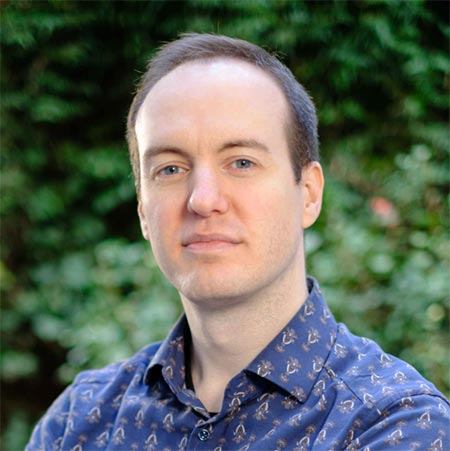
Peter Brietbart
Fund Manager

Lily Yu
Fund Manager
We’re delighted to be supporting evidence-informed, low-cost and scalable mental health programmes in Africa through this quarter’s grants.
Full managers’ insights
Mental health is a critical factor in individual wellbeing, yet it remains severely underfunded in Sub-Saharan Africa.
The World Health Organisation (WHO) estimates that 12.5% of the world population, approximately 970 million people, live with a mental disorder.
On average across member states in Sub-Saharan Africa, governments are funding less than 25% of the WHO’s recommendations for mental health care spending per capita, spending US $0.46 per capita as opposed to the recommended US $2 for low-income countries.
On average across member states in Sub-Saharan Africa, governments are funding less than 25% of the WHO’s recommendations for mental health care spending per capita.
Bloom’s role in addressing the funding gap
Private philanthropy plays an important role in bridging the mental health funding gap in Sub-Saharan Africa, enabling the equitable provision of mental health services across the region. Bloom is working to address this resource gap by strategically allocating resources to high-impact initiatives.
Private philanthropy plays an important role in bridging the mental health funding gap in Sub-Saharan Africa, enabling the equitable provision of mental health services across the region.
This quarter, we leveraged an extensive and newly-updated evaluation into the impacts and cost-effectiveness of group psychotherapy in sub-Saharan Africa. Conducted by the Happier Lives Institute, the report concluded that for directly creating wellbeing Friendship Bench (FB) and StrongMinds (SM) are amongst the most cost-effective giving opportunities in the world, and we have been guided by these findings in our grant allocations. You can access the report directly here.
Strategic investments in mental health
Our grants are supporting two charities: Friendship Bench and StrongMinds. These organisations are pioneers in delivering cost-effective, evidence-based mental health interventions in Sub-Saharan Africa, specifically in Zimbabwe, Uganda, and Zambia. These standout charities are doing the pivotal work of bringing mental health care to many of those who need it most.
Utilising trained community health workers to provide therapy on park benches, Friendship Bench’s programmes are backed by strong evidence from randomised controlled trials (RCTs).
Specialising in group therapy, StrongMinds has a proven track record of successful implementation at scale.
These standout charities are doing the pivotal work of bringing mental health care to many of those who need it most
The Happier Lives Institute’s evaluation of both organisations is based on a meta-analysis of psychotherapy RCTs (i.e., combining information across 72 RCTs) in low- and middle-income countries, as well as relevant RCT and pre-post data of the charities themselves.
Impact and future goals
By investing $250,000 this quarter, Bloom is marking a significant step in our commitment to support organisations delivering cost-effective programmes to improve global mental health and wellbeing. Funding will directly support the delivery of low-cost therapy to thousands of individuals, empowering communities and fostering long-term change.
Funding will directly support the delivery of low-cost therapy to thousands of individuals, empowering communities and fostering long-term change.
We believe that these grants will inspire Friendship Bench and StrongMinds to continue to improve, scale their impact, and spread a model of cost-effective mental healthcare across Sub-Saharan Africa.
For more details, see the grants section below.
Fund financials
Following the comprehensive research conducted by the Happier Lives Institute, coupled with encouraging WELLBY estimates, Bloom has made its largest quarterly disbursement to date, allocating $250,000 this quarter.
As a result, 62% of the Bloom fund (based on fund size at launch) has been allocated to charities and projects aimed at improving global wellbeing in 2024. This aligns with our action-orientated, responsive approach to supporting the most impactful organisations we can find, ensuring we maximise our impact on global wellbeing. We are confident that more promising organisations can be uncovered during the rest of the year and we are actively looking to raise new funds for Bloom’s 2025 portfolio.
NEW GrantEEs
Friendship Bench
Grant Size
$150,000
Activity

We fund four categories of projects:
A. Charities
Identify & fund charities delivering evidence-informed / high expected value programmes to improve wellbeing
B. Research
Support research that can provide insights into more effective ways of improving global wellbeing
C. Partnerships
Develop strategic partnerships to share insights on best practices and co-fund wellbeing & mental health initiatives
D. Ecosystem
Support leading ecosystem players raise awareness of evidence-informed, cost-effective wellbeing initiatives
Charity
Stage
Our internal working description of a project’s stage is when one or more of the following conditions are met:
Early stage
5 or fewer employees, 3 years or younger, grant sizes of ~$5k-150k awarded
Growth stage
5 – 250 employees, 3 – 10 years in operation, grant sizes of ~$150k-990k awarded
Mature stage
251+ employees, 10+ years in operation, grant sizes of $1m+ awarded
These groupings are only illustrative, and we recognise that from time to time an organisation won’t fit neatly into one of these groupings.
We aim to primarily fund Early and Growth stage organisations.
Growth
Location
Zimbabwe
Sub-Saharan Africa
More Info

Grantee
Friendship Bench is a non-profit organisation that provides treatment for common mental health disorders such as anxiety and depression with problem-solving therapy (PST), primarily in Zimbabwe. Friendship Bench’s standard programme consists of six sessions of individual PST delivered by trained community health workers.
Grant
This grant will help Friendship Bench to expand its operations, bridging a critical gap in Zimbabwe’s healthcare system. The funding will support its efforts to reach new communities, strengthen existing processes and partnerships, and integrate its model within government.


Dixon Chibanda
CEO
53
WELLBYs / $1k*
Total WELLBYs for the grant: 7,883
*HLI estimation
Grant Rationale
Expanding access to mental health treatment in Zimbabwe
Depression is closely associated with reduced subjective wellbeing1. However, mental health services in low- and middle-income countries (LMICs) are severely underfunded, with around 95% of individuals with depression lacking adequate treatment2 (Thornicroft et al., 2017). Psychotherapy, including problem-solving therapy (PST), is an effective and relatively easy-to-implement treatment for depression and anxiety. While psychotherapy can take many forms, its core aim is to address maladaptive thoughts, feelings, and behaviours through discussion. Treatment enhances wellbeing both directly and indirectly by boosting individuals’ abilities to function socially and economically.
Friendship Bench has demonstrated success in scaling PST across Zimbabwe, treating over 200,000 people in 2023 alone. Originally a research-based organisation, Friendship Bench now implements its programme across all ten provinces in Zimbabwe, demonstrating a proven track record of scaling its programme. They are now developing “FB In A Box”, a toolkit for replicating their therapy model in new or existing settings. Their collaboration with the Zimbabwean government aims to integrate this model nationwide over the next five years.
Given their past success and future plans, we think Friendship Bench is well-positioned to cost-effectively expand access to psychotherapy in Zimbabwe.
Evaluation
We consider the grant to be highly promising, based on an in-depth cost-effectiveness analysis conducted by HLI. The analysis – informed by 72 RCTs of psychotherapy in LMICs, 4 RCTs of Friendship Bench’s intervention in particular, and pre-post data from around 3,400 Friendship Bench participants – indicates that Friendship Bench is approximately 6x more effective than cash transfers. However, issues with low attendance remain a source of uncertainty that we’d like to see Friendship Bench address.
- The key determinants of happiness and misery. Clark, Andrew E., Flèche, Sarah, Layard, Richard, Powdthavee, Nattavudh and Ward, George (2017) The key determinants of happiness and misery. CEP Discussion Papers (CEPDP1485). London School of Economics and Political Science. Centre for Economic Performance, London, UK
- Undertreatment of people with major depressive disorder in 21 countries Graham Thornicroft, Somnath Chatterji, Sara Evans-Lacko, Michael Gruber, Nancy Sampson, Sergio Aguilar-Gaxiola, Ali Al-Hamzawi, Jordi Alonso, Laura Andrade, Guilherme Borges, Ronny Bruffaerts, Brendan Bunting, Jose Miguel Caldas de Almeida, Silvia Florescu, Giovanni de Girolamo, Oye Gureje, Josep Maria Haro, Yanling He, Hristo Hinkov, Elie Karam, Norito Kawakami, Sing Lee, Fernando Navarro-Mateu, Marina Piazza, Jose Posada-Villa, Yolanda Torres de Galvis, and Ronald C. Kessler. Br J Psychiatry. 2017 Feb; 210(2): 119–124.
Why now?
This grant was informed by HLI’s latest psychotherapy report indicating the cost-effectiveness of Friendship Bench’s programme. We have been paying close attention to this research, and we’re excited to see these new findings.
The funding arrives at a crucial time for Friendship Bench as they address a funding gap in their 2024 budget and work towards sustaining and expanding their impact in Zimbabwe.
Words from our partner
“Our engagement with the Bloom team was a highly positive experience. They demonstrated exceptional responsiveness and genuine commitment to understanding Friendship Bench’s needs. Their ensured clarity and proactive communication ensured a smooth process.”
Dr Dixon Chibanda, Founder and CEO
StrongMinds
Grant Size
$100,000
Activity

We fund four categories of projects:
A. Charities
Identify & fund charities delivering evidence-informed / high expected value programmes to improve wellbeing
B. Research
Support research that can provide insights into more effective ways of improving global wellbeing
C. Partnerships
Develop strategic partnerships to share insights on best practices and co-fund wellbeing & mental health initiatives
D. Ecosystem
Support leading ecosystem players raise awareness of evidence-informed, cost-effective wellbeing initiatives
Charity
Stage
Our internal working description of a project’s stage is when one or more of the following conditions are met:
Early stage
5 or fewer employees, 3 years or younger, grant sizes of ~$5k-150k awarded
Growth stage
5 – 250 employees, 3 – 10 years in operation, grant sizes of ~$150k-990k awarded
Mature stage
251+ employees, 10+ years in operation, grant sizes of $1m+ awarded
These groupings are only illustrative, and we recognise that from time to time an organisation won’t fit neatly into one of these groupings.
We aim to primarily fund Early and Growth stage organisations.
Growth
Location
Uganda,
Zambia
Sub-Saharan Africa
More Info

Grantee
StrongMinds is a US charity that provides group interpersonal psychotherapy (g-IPT) for treating depression, focusing primarily on women in Uganda and Zambia. As of 2024, StrongMinds delivers its programme through six sessions of g-IPT delivered by trained community health workers. Alongside Friendship Bench, they are pioneers in scaling mental health services across Sub-Saharan Africa.
Grant
This grant will help StrongMinds to scale its programmes and expand essential mental health treatment across Sub-Saharan Africa. In particular, the funding will help support StrongMinds in reaching new communities, strengthening existing processes and evidence, and integrating its model within government frameworks.


Sean Mayberry
CEO
47
WELLBYs / $1k*
Total WELLBYs for the grant: 4,684
Grant Rationale
Expanding access to mental health treatment in Sub-Saharan Africa
In LMICs, only 3% of people suffering from depression receive treatment that is “potentially adequate”. StrongMinds addresses this significant treatment gap by providing g-IPT (a form of psychotherapy) at scale in Uganda and Zambia. The organisation has a proven track record, with plans to treat over 300,000 people in 2024 and expand further. They also aim to open additional country offices across Africa and adapt their model globally. Given its achievements and future plans, StrongMinds is well-positioned to expand access to psychotherapy treatment in Sub-Saharan Africa and beyond cost-effectively.
Evaluation
Based on the in-depth evaluation conducted by HLI, we believe StrongMinds’ programme is cost-effective (47 WELLBYs/ $1k; equivalent of approximately 6x Give Directly cash transfers) and a grant will help the organisation accelerate its progress. The analysis was informed by 72 RCTs of psychotherapy in LMICs and pre-post data from thousands of StrongMinds participants. One point of consideration highlighted by HLI is a lack of relevant charity-specific causal evidence, which is a potential drawback. Preliminary discussions suggest StrongMinds is open to conducting an RCT to address this gap.
Why now?
- The grant aligns with HLI’s latest psychotherapy report, which indicates the cost-effectiveness of StrongMind’s programme.
- To support its rapid growth, StrongMinds has increased its fundraising goal from $10.5 million in 2023 to $13 million in 2024.
- The team mentioned new funding partnerships with teams like Bloom are critical to their strategy.
Words from our partner
“We are grateful for the swift and efficient process, and appreciate that communication has been clear and timely. We are very thankful that Bloom chose to support us this year, and we look forward to a productive partnership.”
Sean Mayberry, Founder and CEO
GRANTEE UPDATES

Supporting effective therapies for PTSD
Q1 Grant Size
$80,000
Activity
We fund four categories of projects:
A. Charities
Identify & fund charities delivering evidence-informed / high expected value programmes to improve wellbeing
B. Research
Support research that can provide insights into more effective ways of improving global wellbeing
C. Partnerships
Develop strategic partnerships to share insights on best practices and co-fund wellbeing & mental health initiatives
D. Ecosystem
Support leading ecosystem players raise awareness of evidence-informed, cost-effective wellbeing initiatives
Charity
Stage
Our internal working description of a project’s stage is when one or more of the following conditions are met:
Early stage
5 or fewer employees, 3 years or younger, grant sizes of ~$5k-150k awarded
Growth stage
5 – 250 employees, 3 – 10 years in operation, grant sizes of ~$150k-990k awarded
Mature stage
251+ employees, 10+ years in operation, grant sizes of $1m+ awarded
These groupings are only illustrative, and we recognise that from time to time an organisation won’t fit neatly into one of these groupings.
We aim to primarily fund Early and Growth stage organisations.
Early
Location
San Rafael, US
More Info
After an unexpected FDA Advisory Committee decision on MDMA-Assisted Therapy (MDMA-AT) as a treatment for PTSD, Healing Breakthrough has worked with Psychedelic Science Funders and other partners to launch media and fundraising campaigns to aid public education around the evidence of MDMA-AT. The team have since raised $650,000 from over twenty new donors indicating strong support for the project from funders.
Progress and milestones
Healing Breakthrough launched a major MDMA public education initiative following the FDA advisory committee’s decision
HB’s grant was to support MDMA-AT community-based clinical demonstration and education projects. Their activities were planned around the FDA providing approval to Lykos Therapeutics for the use of MDMA-AT for the treatment of PTSD. We previously projected the likelihood that MDMA-AT would be approved by the FDA at 70%.
However, HB’s work took an unexpected turn on 4th June when the FDA advisory committee advised against approving Lykos Therapeutics submission. This adversity drove Healing Breakthrough and partners (including the Psychedelic Science Funders Collaborative, Precision Strategies, and Heroic Hearts Project) to create and implement a rapid crisis public communications plan aimed at education around MDMA-AT.
Through nationwide events, experts were able to inform the public about the scientific evidence in support of MDMA-AT to treat PTSD in veteran populations. Press coverage from the public education initiative included a CBS news interview and a NPR article.
The education campaign is expected to continue in the lead up to the FDA’s decision, expected on 11 August. Plans for the clinical demonstration projects have been placed on hold in the interim.
New funders are still backing MDMA-AT
Over the course of a few weeks, HB and partners raised $650,000 (out of a target of $750,000) from over twenty new donors for the public education rapid response initiative.
This shows that philanthropists are realising the value of the MDMA-AT during this period of greater uncertainty and supporting the initiative through funding.
Mainstream coverage of Healing Breakthrough’s work at the start of the quarter
Soon after the grant, HB’s work received coverage in mainstream media, including “Oprah Daily”.
Obstacles and risks
- This grant was informed by HLI’s latest psychotherapy report indicating the cost-effectiveness of Friendship Bench’s programme. We have been paying close attention to this research, and we’re excited to see these new findings.
- The funding arrives at a crucial time for Friendship Bench as they address a funding gap in their 2024 budget and work towards sustaining and expanding their impact in Zimbabwe.
Insights into the next quarter
The FDA decision on the 11th August will be key to determining the next steps of the project for Healing Breakthrough. Bloom will be following the coverage independently.

Advancing wellbeing public policy
Q1 Grant Size
$140,000
Activity
We fund four categories of projects:
A. Charities
Identify & fund charities delivering evidence-informed / high expected value programmes to improve wellbeing
B. Research
Support research that can provide insights into more effective ways of improving global wellbeing
C. Partnerships
Develop strategic partnerships to share insights on best practices and co-fund wellbeing & mental health initiatives
D. Ecosystem
Support leading ecosystem players raise awareness of evidence-informed, cost-effective wellbeing initiatives
Ecosystem
Stage
Our internal working description of a project’s stage is when one or more of the following conditions are met:
Early stage
5 or fewer employees, 3 years or younger, grant sizes of ~$5k-150k awarded
Growth stage
5 – 250 employees, 3 – 10 years in operation, grant sizes of ~$150k-990k awarded
Mature stage
251+ employees, 10+ years in operation, grant sizes of $1m+ awarded
These groupings are only illustrative, and we recognise that from time to time an organisation won’t fit neatly into one of these groupings.
We aim to primarily fund Early and Growth stage organisations.
Early
Location
Oxford, UK
More Info

A surprise snap UK election lead to WWM pivoting their strategy to leverage national media opportunities to place wellbeing at the centre of public policy discussions. Also this quarter, WWM was awarded charity status by the charity commission for England and Wales, opening up new funding opportunities.
Progress and milestones
Effective media strategy amid election
Despite the unexpected UK snap election, WWM quickly pivoted their strategy to leverage media opportunities. The team managed to secure coverage ahead of the election (Tortoise Media and The Big Issue), outlining the importance of a wellbeing-focused approach to governance. An insight from this period was that publishing reports and articles on Fridays is effective for gaining coverage in both weekend and weekday newspapers.
Achievement of charitable status awarded
WWM has officially achieved charity status in the UK. This could open up new opportunities for the team, including new funding avenues.
Team expansion: progress on hiring
WWM aimed to recruit a new Head of Policy and Public Affairs during Q2. However, the early timing of the UK election delayed this process, and it is now approximately 75% complete. The team anticipates finalising this recruitment in Q3 2024.
Obstacles and risks
Hiring delay
The election’s timing hindered WWM’s goal of hiring the new Head of Policy and Public Affairs before the vote on 4th July as the UK election took place earlier than anticipated. Nonetheless, Sarah Cunningham, Managing Director of WWM, pivoted strategy to directly communicate the importance of putting wellbeing first in the lead-up to the election. Time will tell how the new administration will respond to the push to put wellbeing before GDP. There remains uncertainty around who will be hired as the Head of Policy and Public Affairs. Sarah has also expressed a strong interest in growing the team to allow for more progress to be made on their wellbeing policy and workplace wellbeing activities yet funding sources have not yet been secured.
Insights into the next quarter
The team plans to finalise the hiring process and select a new Head of Policy and Public Affairs, who will work with Sarah. Sarah will also re-allocate more of her time towards WWM’s workplace wellbeing programming.
Sarah and her team plan to initiate contact with the new UK administration and reach out to any re-elected MPs who voiced their support for wellbeing policies and explore their support to reinvigorating the All Party Parliamentary Group (APPG) on wellbeing economics.
Dr Alberto Prati, Univ. of Oxford
Improving accuracy of wellbeing surveys
Q1 Grant Size
$150,000
Activity

We fund four categories of projects:
A. Charities
Identify & fund charities delivering evidence-informed / high expected value programmes to improve wellbeing
B. Research
Support research that can provide insights into more effective ways of improving global wellbeing
C. Partnerships
Develop strategic partnerships to share insights on best practices and co-fund wellbeing & mental health initiatives
D. Ecosystem
Support leading ecosystem players raise awareness of evidence-informed, cost-effective wellbeing initiatives
Research
Stage
Our internal working description of a project’s stage is when one or more of the following conditions are met:
Early stage
5 or fewer employees, 3 years or younger, grant sizes of ~$5k-150k awarded
Growth stage
5 – 250 employees, 3 – 10 years in operation, grant sizes of ~$150k-990k awarded
Mature stage
251+ employees, 10+ years in operation, grant sizes of $1m+ awarded
These groupings are only illustrative, and we recognise that from time to time an organisation won’t fit neatly into one of these groupings.
We aim to primarily fund Early and Growth stage organisations.
One-Off
Location
Oxford, UK
More Info

Dr Prati’s research project is due to start in Q3 2024.
Project Update
Dr Prati’s research project to investigate approaches to improve the accuracy of wellbeing surveys is delayed due to internal grant processing procedures at the University of Oxford. He is on course to start his project in Q3 2024.
Wellbeing ecosystem building & development

Effective Giving Summit
May 28th – 31st, 2024
Peter Brietbart was invited to the Effective Giving Summit held in Oxford, UK. He met with members of other organisations working on raising funds for effective charities, including AI Safety Tactical Opportunities Fund (AISTOF), Ambitious Impact, Effektiv Spenden, Founders Pledge, Generation Pledge, Giving What We Can, and Open Philanthropy.

Nexus Global Summit
June 27th – 29th, 2024
Lily Yu and Peter Brietbart, attended the Nexus Global Summit held in New York, US. Peter and Lily met up with a range of philanthropists, impact investors and NGO leaders working in the evidence-based wellbeing and mental health space.
Featured speakers included Jonathan Haidt (talk on how phone-based childhood is causing human change), Rutger Bregman (presentation on the School for Moral Ambition) and Selena Gomez (launched a new fund focused on addressing youth mental health).
The breakout sessions on mental health (Navigating the future of psychedelic-assisted therapies and Accelerating mental health solutions – voices from the field) were well-attended by philanthropists and practitioners.
Join us to accelerate global wellbeing!
For more information about the Bloom Wellbeing Fund, please reach out to us: email Peter Brietbart at peter@bloomwellbeing.fund or Lily Yu at lily@bloomwellbeing.fund
We would like to thank the members at the Happier Lives Institute for their exceptional work, especially Dr Michael Plant, Joel McGuire, Samuel Dupret, Dr Ryan Dwyer and Ben Stewart for their research insights on psychotherapy in Sub-Saharan Africa, and Lara Watson for editorial assistance on the quarterly report.